
An oilfield accident claim is a legal claim brought by a worker hurt on a rig, at a refinery, along a pipeline or on an oilfield road, or by the family of a worker who died. It asks whether another party's carelessness, a defective product or an unsafe site caused the harm, under the law of the state involved.
This guide is for workers who were hurt in the oil and gas industry and for the families standing beside them. Most people facing this have just been through a fire, a blowout, a chemical release or a crash. They are dealing with hospital stays, lost paychecks and a lot of unanswered questions about what happened and who was in charge of the site. The sections below walk through how these claims are built, who may be involved, which rules change from state to state, and which records usually matter. How any claim turns out depends on its own facts.
What an Oilfield Accident Claim Is — and Which Path May Fit Your Injury
Two separate paths usually exist after an oilfield injury. Workers' compensation is the system that covers a worker's claim against their own employer, generally without needing to prove that the employer was at fault. A third-party claim is a personal injury claim against someone other than the direct employer, such as a site owner, another contractor or an equipment maker.
For an injured worker, the difference decides whether the employer is the only place to look. Oilfield work often brings several companies onto one site: a worker may be employed by a contractor or subcontractor while another company owns the well and a third supplied the equipment. Who signed the paycheck shapes which paths are open.
Third-party claims usually rest on one of three legal theories. Negligence is a failure to use reasonable care. Premises liability is the duty of a property owner or operator to keep a site reasonably safe. Product liability covers a defective piece of equipment or a dangerous substance. When a worker is killed, a wrongful death claim, which is a claim surviving family members may bring for a death caused by another's wrongful conduct, generally follows these same theories. A useful first question is simply which companies were on site that day and what each one did.
Where the Injury Happened and Why the Setting Points to Who Was Involved
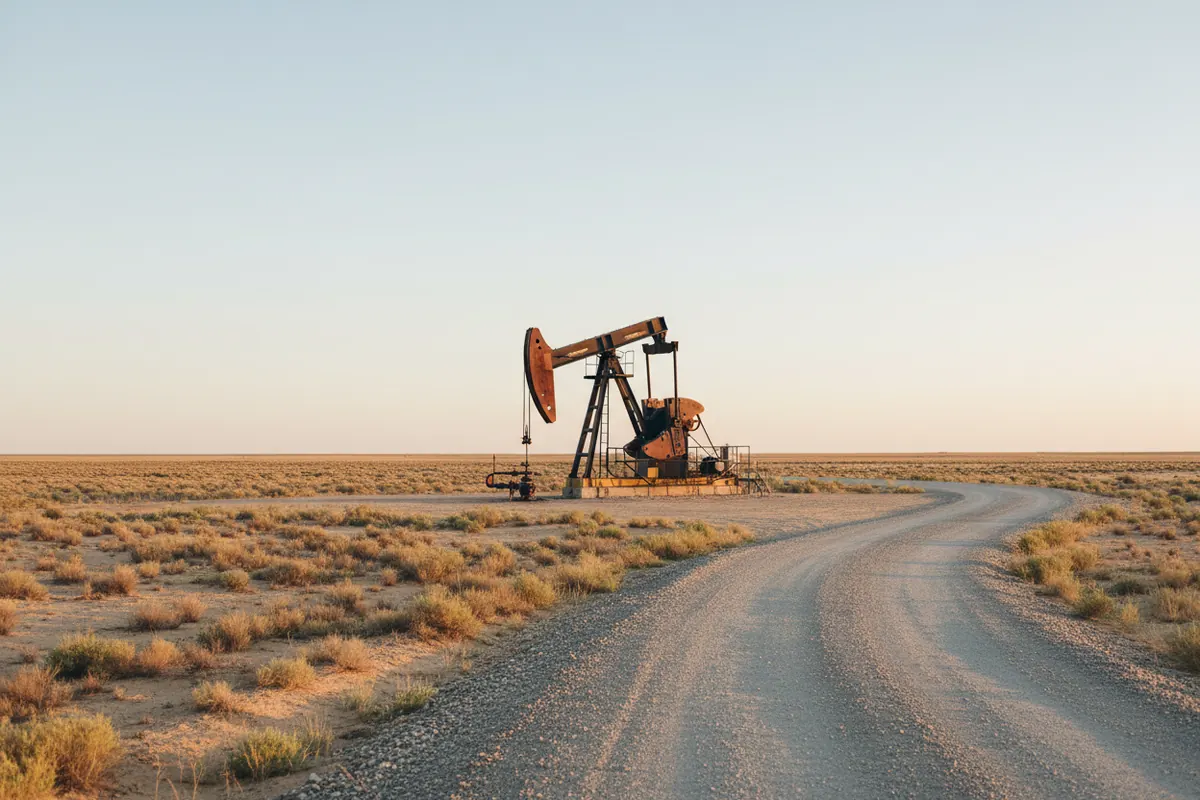
Oilfield work settings include drilling rigs, well sites, refineries, petrochemical plants, pipelines and the roads that connect them. Each setting tends to raise its own questions.
The incidents vary as well: explosions and fires, well blowouts, hydrogen sulfide (H2S) exposure, equipment failures, struck-by and caught-in incidents, and vehicle collisions on oilfield roads. The kind of incident matters because the hazard behind it often points toward which companies controlled the conditions, and so toward who a claim may involve.
Federal agencies also play a part. According to OSHA's worker rights page, the Occupational Safety and Health Act of 1970 created OSHA, "which sets and enforces protective workplace safety and health standards," and employers must also keep workplaces "free of serious recognized hazards." The U.S. Chemical Safety and Hazard Investigation Board describes itself as an independent, nonregulatory agency that investigates accidental chemical releases causing a fatality, serious injury or substantial property damage. It notes that it "does not issue fines or citations." For pipelines, the Pipeline and Hazardous Materials Safety Administration states that it has collected pipeline incident reports since 1970.
When Several Companies Share a Site: Who May Be Responsible
When several companies share a site, more than one of them may share responsibility. The parties involved can include well owners and operators, general contractors, subcontractors, equipment manufacturers, chemical manufacturers and transportation companies. Whether any of them is responsible depends on who controlled the work, the site and the equipment.
Comparative fault is a rule that divides responsibility among the parties, including the injured person, by each one's share of fault. States handle this differently. Washington follows pure comparative fault: under section 4.22.005 of the Revised Code of Washington, a claimant's fault "diminishes proportionately the amount awarded as compensatory damages" but "does not bar recovery." Texas uses a modified rule. Under section 33.001 of the Texas Civil Practice and Remedies Code, a claimant may not recover if their share of responsibility is greater than 50 percent. If the claimant is not barred, section 33.012 of that code reduces the damages by the claimant's percentage. Virginia keeps contributory negligence. In Albritton v. Commonwealth, the Supreme Court of Virginia described contributory negligence, when proven, as "an absolute bar."
For an injured worker, this means a company may argue that the worker shared the blame, and the state's rule decides how much that argument can cost. Questions worth weighing include which company directed the task, who supplied the chemicals and gear, and which state the site sits in.
Proving Someone Was at Fault: What a Negligence Claim Has to Show
A negligence claim asks four questions, and each one has to be answered. Was there a duty, meaning a legal obligation to act with reasonable care? Was there a breach, meaning a failure to meet that standard? Is there causation, meaning the breach caused the injury? And are there damages, meaning real harm resulted?
If equipment or a chemical seems to have failed, product liability asks something different: whether that equipment, chemical or other product was defective in its design, its manufacture or its warnings, and whether the defect caused the injury.
For a hurt worker or a grieving family, the stakes are concrete: a serious injury does not by itself prove that anyone was at fault, and an accident does not by itself prove that a product was defective. If even one of the four questions goes unanswered, a claim against that company may not hold.
Agency records have limits, too. An OSHA citation or a CSB report is an official record of what an agency found. It is not a court's finding of liability, and its role in a civil claim depends on the facts and the state. A practical next step is to set the available records beside the four questions and note which ones they already speak to and which remain open.
How a Serious Injury Shapes What a Claim May Seek
Serious harm in oilfield accidents can include severe burns, blast injuries, traumatic brain injury, spinal cord injury, toxic chemical exposure (including H2S), crush injuries and death.
Damages are the losses the law may allow a claim to seek. They are commonly grouped into categories:
- past and future medical expenses
- lost wages and loss of earning capacity
- physical pain and suffering, and emotional distress
- wrongful death damages
What is at stake for a family is that a burn or brain injury can change a worker's ability to earn long after the hospital stay ends, and these categories are how the law looks at that future. States differ in who may bring a wrongful death claim and what it may include, and damages rules, including whether any cap applies, also differ by state.
Filing Deadlines and Why They Differ by State
A statute of limitations is the period within which a lawsuit must be filed, after which the right to sue is generally lost. Limitation periods for personal injury and wrongful death claims differ by state, and no single period applies everywhere.
The start date can differ too. A period may run from the injury or the death. Under some rules, it runs from when the harm was discovered or reasonably should have been discovered. Washington's product liability statute is one example. Under section 7.72.060 of the Revised Code of Washington, subject to Washington's tolling and extension provisions in chapter 4.16 of the Revised Code of Washington, no claim under that chapter may be brought more than three years from the time the claimant discovered, or with due diligence should have discovered, the harm and its cause. That is Washington's rule for product claims under that chapter, not a national one.
Which Records Help Answer Who Was Responsible
The records that usually matter include:
- medical records of the injury and treatment
- incident reports made to the employer or an agency
- OSHA inspection records and citations
- photos and video of the scene and equipment
- the equipment or product itself, along with its model, serial number and maintenance records
- the names of witnesses
- employment records showing the worker's role and employer
These records are how the questions above, about who employed the worker, who controlled the site and what failed, get answered. Families after a death often find that the records are spread across several companies.